Things you Need to Know Before Booking The Pet Grooming Service at Your Dog Groomers in Sparrows Point MD
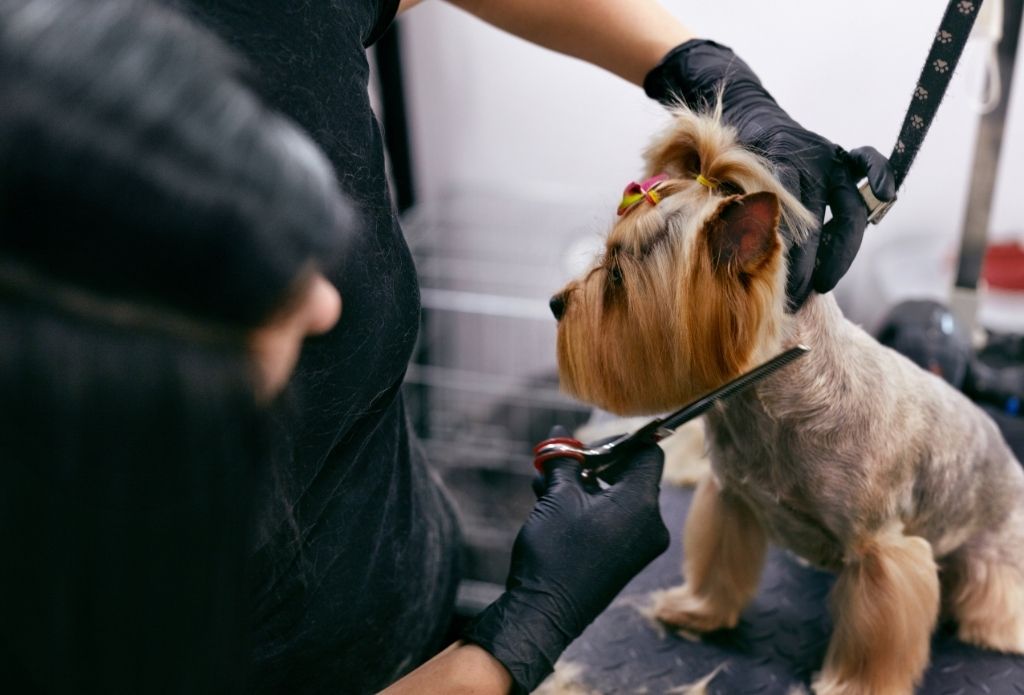
family pet grooming takes anywhere in between 2-4 hours depending upon the size of your family pet and how long ago your family pet had the last family pet grooming session. It is not wise to hurry the pet grooming procedure as it bad for your pet dog’s well being.
If you must cancel or reschedule your fur baby grooming appointment, please provide at least 24 hours notice to prevent paying late canceling charge.
All breed grooming charges will be verified by the family pet groomer at hand over.
Typically, a dematting cost will be applied to matted coats on your fur baby. Extra charge might be applied for pet dogs with difficult temperament.
General Pet Tips for Pet Dog Owners in Sparrows Point MD
Advice on Shedding for pet Moms and dads in Sparrows Point MD
Despite the fact that shedding damaged or old hair is a normal procedure for pets, the quantity and frequency of hair shed frequently depends upon their health, breed type and season. Many pet dogs establish thick coats in the winter that are then shed in the spring. Pets who are constantly kept inside your home, nevertheless, are prone to smaller sized variations in coat thickness and tend to shed fairly equally all year.
Learn more about, reducing shedding on your canines or check out below.
The method you brush your pet and how often will largely depend on his or her coat type.
Steps to Minimize Shedding: While you can not stop a healthy pet dog from normal shedding, you can decrease the quantity of hair in your house by brushing your dog regularly. Ask your vet or groomer to recommend a particular type of brush or comb that will work best for your pet’s hair type.
Extreme Hair Loss: Shedding is a typical process for pets. Excessive shedding can also be prevented with appropriate nutrition. Quality pet-food makers work hard to consist of the right amount of nutrients so that supplements are not required, however animals with allergies or sensitivities may need to explore different brand names to discover which food works best for them.
Nevertheless, excessive hair loss or bald spots may be due to one of the following:
- Cancer
- Contact with caustic or irritating substance
- Certain medications
- Bacterial or fungal infections
- Immune disease
- Inhalant- or food-related allergic reactions
- Kidney, liver, thyroid or adrenal illness
- Parasites (fleas, lice or termites)
- Pregnancy or lactation
- Self-induced injury due to licking
- Sunburn
If you see any of the following conditions, seek advice from your vet for treatment.
- Skin irritation, consisting of inflammation, rashes, bumps or scabs
- Open sores of any kind
- Bald spots or thinning of coat
- Dull, dry hair that takes out easily
- Scratching
- Constant foot licking or face rubbing
Treating Mange on Dogs
Take your pet to a vet, who will do a physical examination, take a look at skin scrapings, and use a microscopic lense to confirm the presence of mange termites. Because mange termites can be tough to spot when they are buried deep under a pet’s skin, your veterinarian may depend upon clinical signs or your family pet’s history to develop a conclusive diagnosis.
Medication might be administered orally or topically through injection, shampoo, or dip, depending upon the kind of mange and the type of pet dog. Secondary skin infections in specific affected pet dogs may demand specialised treatment. Skin scrapes ought to be carried out every two weeks as part of the treatment.
Please remember that many skin treatments can be hazardous to canines, so consult your veterinarian prior to starting any mange treatment strategy.
Preventing Mange on Dogs
If your dog has sarcoptic mange, you need to totally clean or change his bed linen and collar, along with reward other animals with whom your pet enters touch. If you believe a next-door neighbor’s dog is ill, keep your canines away to prevent the illness from dispersing. To guarantee that the termites have been eliminated, take your pet to the vet on a regular basis, as suggested for skin scrapes.
You’ll desire to get your fur baby used to the idea of having his teeth brushed. To do this, begin by carefully massaging her lips with your finger in a circular movement for 30 to 60 secs one or two times a day for a few weeks prior to proceeding to their gums and teeth.
After a couple of sessions or when your pooch appears comfortable, put a little bit of dog-formulated toothpaste on her lips to get her used to the taste.
Next, present a tooth brush developed particularly for
Bad Breath in Dogs
If your canine’s breath is not a field of lilies, that’s all right. Typical doggie-breath isn’t especially fresh-smelling. Halitosis, or morning breath, can be the very first indication of a mouth problem and is triggered by bacteria growing from food particles caught in between the teeth or by gum disease. Particular canines — particularly little ones — are especially vulnerable to plaque and tartar. Your pet might need an expert cleaning from a Sparrows Point groomer and regular at home brushings are an excellent service if plaque is the culprit.
Consistent foul breath can indicate that your family pet has digestive issues or a gum health issue such as gingivitis, and ought to be analyzed by a veterinarian. If your family pet’s breath is particularly offensive and is accompanied by an anorexia nervosa, vomiting or extreme drinking or urinating, it’s a great idea to take your pooch to the vet.
Signs of Eye Infection in Pet Dogs
If your family pet has the following signs, there might be something incorrect with their eyes and you should contact your veterinarian:
- Tearing and/or tear-stained fur
- Discharge and crusty gunk
- Uneven pupil size
- Red or white eyelid linings
- Cloudiness or change in eye color
- Visible third eyelid
- Closed eye(s).
Tips on Ear Care for Pet Parents in Sparrows Point MD
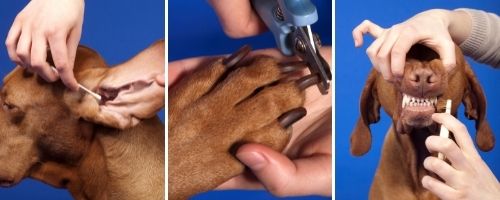
Throughout your routine grooming, your dogs’ ears should also be examined and cleaned up. This is specifically vital for dogs that produce substantial quantities of ear wax or have plenty of inner-ear hair. However, do not clean your pet’s ears too often or too deep as it might lead to irritation, injury, or infection!
If your pet dog’s ears look filthy, cleanse them using either a cotton ball, piece of gauze moistened with mineral oil, hydrogen peroxide or a liquid pet dog ear cleaner.
Gently fold their ear back and clean away any noticeable dirt or earwax on the underside of their ear.
Ensure you raise away the gunk rather than rubbing it inside the ear.
The skin inside the ear is extremely delicate, so if you are unsure of how to clean their ears safely it’s recommended you ask your vet in the next check-up or try to find video tutorials online.
Helping Fearful Canines
Some canines may also be frightened when getting their nails trimmed. Look out for any indications of distress like trembling, panting, whining, cowering, tail-tucking, grumbling, or snapping. Even with the most patient and constant of intros, there are some pets who are not able to overcome this fear.
If your pet is afraid of getting their nails trimmed, do not force them to submit. Rather, see a vet or a groomer in Sparrows Point and get expert assistance. Otherwise, you could arrange a consultation with a Certified Applied Animal Behaviorist (CAAB), a veterinary behaviourist (Dip ACVB) or a Certified Professional Dog Trainer (CPDT).
Treating Wounds in Dogs
It’s relatively common for pet dogs to get cuts or wounds from mistakenly trotting on particles, glass, or other foreign items. Little injuries under half an inch can be cleaned with antibacterial wash and after that covered with a light plaster. Whilst much deeper cuts might require veterinary care.