Things you Need to Know Before Booking The Pet Grooming Treatment at Your Dog Groomers in Humberston
family pet grooming takes anywhere in between 2-4 hours depending upon the size of your pet and how long ago your family pet had the last fur baby grooming appointment. It is not wise to rush the pet grooming procedure as it not good for your canine’s well being.
If you need to cancel or reschedule your fur baby grooming session, please give at least 24 hours notice to avoid paying late cancellation charge.
All breed grooming costs will be verified by the fur baby groomer at hand over.
Generally, a dematting fee will be applied to matted coats on your pet. Additional charge might be applied for canines with hard character.
General Pet Advice for Family Pet Dog Moms and Dads in Humberston UK
Advice on Shedding for pet Moms and dads in Humberston
Even though shedding old or broken hair is a normal process for pet dogs, the quantity and frequency of hair shed frequently relies on their health, breed type and season. Numerous pet dogs establish thick coats in the winter that are then shed in the spring. Pets who are constantly kept inside your home, however, are prone to smaller changes in coat density and tend to shed fairly evenly all year.
Learn more about, minimising shedding on your pets or check out listed below.
The way you brush your pet and how frequently will mainly depend on his or her coat type.
Actions to Minimize Shedding: While you can not stop a healthy pet from regular shedding, you can reduce the amount of hair in your house by brushing your canine frequently. Ask your veterinarian or groomer to suggest a specific kind of brush or comb that will work best for your dog’s hair type.
Excessive Hair Loss: Shedding is a typical process for family pets. Excessive shedding can likewise be circumvented with appropriate nutrition. Quality pet-food makers work hard to consist of the right amount of nutrients so that supplements are not needed, but pets with level of sensitivities or allergic reactions might need to explore different brands to find which food works best for them.
However, extreme hair loss or bald patches may be due to one of the following:
- Cancer
- Contact with irritating or caustic compound
- Specific medications
- Fungal or bacterial infections
- Immune disease
- Inhalant- or food-related allergies
- Kidney, liver, thyroid or adrenal disease
- Parasites (fleas, lice or termites)
- Pregnancy or lactation
- Self-induced trauma due to licking
- Sunburn
If you see any of the following conditions, seek advice from your vet for treatment.
- Skin inflammation, consisting of soreness, bumps, scabs or rashes
- Open sores of any kind
- Bald spots or thinning of coat
- Dull, dry hair that takes out quickly
- Scratching
- Continuous foot licking or face rubbing
General Symptoms of Mange in Pet Dogs
Demodectic mange tends to result in hair loss, bald spots, scabbing and blisters, and bacterial infections that accompany itching can result in undesirable illness.
Sarcoptic mango tends to result in uneasyness and frenzied scracthing, which typically appears a week after direct exposure. Signs established can lead to air loss, reddish skin, body sores and scabs. The parts which are frequently impacted are the ears of a dog, its elbows, face and legs.
Demodex termites can be passed between dogs however when the pet dog is healthy, with the mites adding to the pet dog’s typical mite population without resulting in any skin disease. Seclusion of d ogs are still believed to be unneeded even the most extreme cases. Although dog-to-dog infection is likely in rare circumstances. The transmission of termites to individuals or cats is extremely not likely.
The dog is usually separated to prevent the condition spread to the other pets and human beings when sarcoptic mange is diagnosed. Sarcoptic mange produces a red bump rash, comparable to mosquito bites, when passed on to people.
Tips on Dental Care for Dog Parents in Humberston
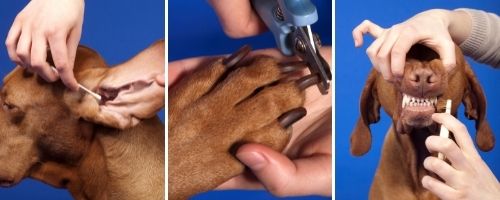
Routinely brushing your dog’s teeth, along with a healthy diet and a lot of chew toys, can go a long way toward keeping her mouth healthy. Germs and plaque-forming foods can trigger build-up on a pet’s teeth. This can harden into tartar, possibly causing gingivitis, receding gums and tooth loss. Lots of pooches reveal indications of gum disease by the time they’re four years of ages due to the fact that they aren’t offered with proper mouth care.
Offer your dog regular home checks and you’ll have a very satisfied pooch with a stunning smile. We advise brushing two to three times a week.
First, you’ll wish to get your fur baby used to the concept of having thier teeth brushed. To do this, start by carefully rubbing her lips with your finger in a circular motion for 30 to 60 seconds once or twice a day for a couple of weeks before moving on to their teeth and gums.
After a couple of sessions or when your pooch appears comfortable, put a little bit of dog-formulated toothpaste on her lips to get her utilized to the taste.
Next, present a toothbrush created specifically for
Ways to Avoid Dental Concerns in Canines
Offer your pooch treats that are specially formulated to keep canine teeth healthy, and ask your vet about a specially created dry food that can decrease the formation of plaque and tartar.
Chew toys are likewise an excellent way to satisfy your pet dog’s natural desire to chew while making his or her teeth strong. Nibbling on a chew toy can help massage the gums and keep teeth tidy by scraping away soft tartar, plus it likewise reduces your dog’s total stress level and prevents boredom. Ask your vet to advise toxin-free rawhide, nylon and rubber chew toys.
Symptoms of Eye Disease in Canines
If your family pet has the following signs, there might be something wrong with their eyes and you must contact your veterinarian:
- Tearing and/or tear-stained hair
- Discharge and crusty substances
- Uneven pupil size
- Red or white eyelid linings
- Cloudiness or change in eye color
- Visible 3rd eyelid
- Closed eye(s).
Tips on Ear Care for Pet Parents in Humberston
Throughout your routine grooming, your pet dogs’ ears must also be inspected and cleaned. This is particularly essential for dogs that produce big amounts of ear wax or have a lot of inner-ear hair. Nevertheless, do not clean your canine’s ears frequently or too deep as it could result in infection, inflammation, or trauma!
If your pet dog’s ears look unclean, clean them utilizing either a cotton ball, piece of gauze moistened with mineral oil, hydrogen peroxide or a liquid pet dog ear cleaner.
Gently fold their ear back and wipe away any visible grime or earwax on the underside of their ear.
Make certain you raise away the grime instead of rubbing it inside the ear.
The skin inside the ear is very fragile, so if you are unsure of how to clean up their ears securely it’s best you ask your veterinarian in the upcoming check-up or try to find video tutorials online.
Choosing Nail Clippers for Your Dogs
There are generally 2 kinds of nail clippers for pets: scissors or guillotine. They work equally well, so just opt for the style that you feel more comfortable handling and using.
If your canine is not comfortable with either clipper types, another tool is the nail grinder. It is an electrical tool that actually sands down family pet nails. They use great control but take longer than regular clippers and some animals might discover the vibration sounds to be undesirable or scary. Ask your Humberston groomer for suggestions on what nail clipper will be best for your dog and how to securely use them.
Summer and Winter Paw Care for Canines
Just like us humans, dog’s paws require different kinds of care depending upon the current season. Cold winters can result in breaking in your fur baby’s paws. To prevent any splitting, sores, infections or blistering do not forget to clean your pet dog’s paws in warm water after strolls to rinse away any salt and chemicals. You can also apply Vaseline, an excellent salt protector, to keep their paws safe prior to every walk.
In summer, you need to bear in mind that your dog’s paws can get burned on hot surface areas. To avoid blisters and burns, don’t walk your pet dog on hot pavements or hot sand. For minor burns, apply anti-bacterial wash on the paw and after that cover it with a loose bandage. For major burns, get veterinary medical attention ASAP.